 RU
RU EN
EN ME
ME TR
TRImmigration to Montenegro 2026: Current Relocation Options and Costs
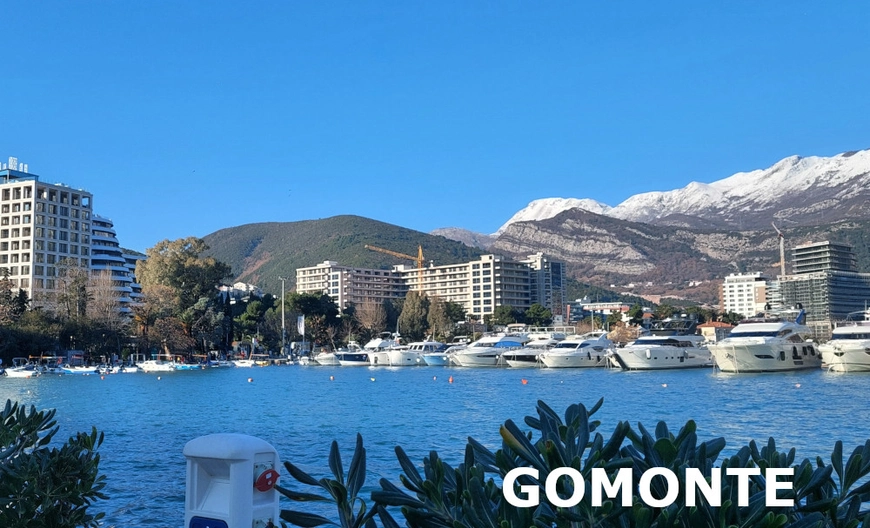
Immigration to Montenegro in 2026 remains one of the most accessible options for relocating to Europe for foreigners seeking a stable, safe, and comfortable country to live in. This Balkan country attracts with its mild climate on the Adriatic coast, relatively low cost of living, simple procedures for obtaining a residence permit, and favorable conditions for doing business or working remotely.
In recent years, interest in moving to Montenegro has grown significantly: entrepreneurs, freelancers, families with children, and real estate investors are all moving here. However, successful immigration requires understanding local regulations—from choosing the basis for a residence permit to preparing documents and adapting to life in a new country. In this article, we will examine current options for immigrating to the country in 2026, the benefits of residency, and important nuances to consider before deciding to move.
GoMonte, together with an immigration lawyer, helps you legalize your stay in the country, obtain visas and residence permits (boravak), and protect the rights of foreigners in the event of deportation or refusal. We provide consultations on relocation and residence permits, and we also offer a wide selection of real estate in our catalog. Get a free consultation from our specialists: +382 67 322 888, WhatsApp/Telegram, or gomonte3000@gmail.com.
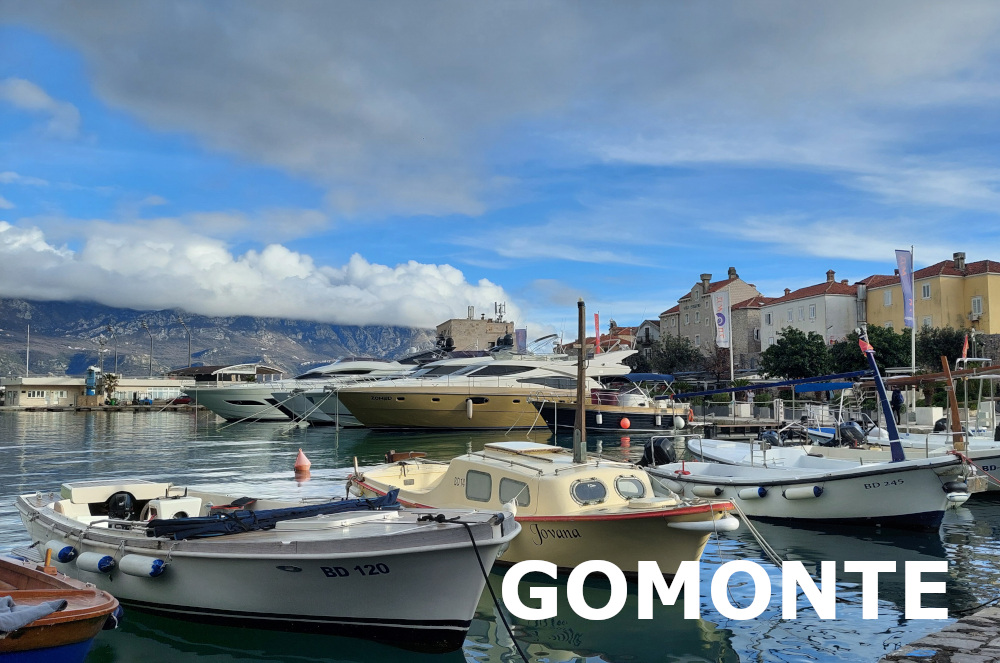
1. Advantages of immigrating to Montenegro in 2026:
- Mild Mediterranean climate and ecology.
- Security and social comfort.
- Use of the euro and a stable financial system.
- Strategic location.
This country's most important advantage is its mild Mediterranean climate. It enjoys over 270 sunny days a year, and the combination of sea and mountain air makes this region ideal for health improvement. In 2026, when environmental issues are particularly pressing, access to the pristine Adriatic beaches and national parks (Durmitor, Biogradska Gora) becomes an invaluable asset.
Montenegro remains one of the safest countries in Europe, with an extremely low crime rate. It retains the atmosphere of "old Europe," where neighbors know each other, foreigners are treated kindly, and the language barrier for speakers of Slavic languages is minimal.
Although the country is not yet an official member of the EU, it uses the euro as its primary currency. This eliminates currency risks for residents and makes transactions transparent and predictable. The business environment in 2026 has become even more digital, simplifying bank transfers and asset management.
For more information on security in the country and its relations with neighboring countries (Croatia, Serbia, Kosovo, Bosnia and Herzegovina), visit our website: https://gomonte.me/blog/post/104/
2. How to legalize yourself in the country
Reasons for obtaining a residence permit (Boravak) in Montenegro:
- Residence permit for opening a company: current requirements and taxes.
- Residence permit for real estate: entry threshold and additional costs.
- Digital nomad visa: conditions in 2026.
- Residence permit for employment: how to find official employment.
List of documents required for applying for a residence permit and conditions:
1. Residence Permit through Company Registration (Business Immigration)
Conditions:
- Minimum authorized capital: from 1 euro.
- Taxes: With the introduction of the "Europe Now 2" program, the minimum director's expenses (taxes and social contributions) are approximately 100-150 euros per month (depending on the current minimum rate).
- Income Tax: Progressive scale from 9% to 15%.
List of Documents:
- Passport (valid for at least 15 months).
- Business Registration Certificate (Izvod iz CRPS).
- Educational diploma (nostrified in Montenegro).
- Criminal Record Certificate (from the country of citizenship, no older than 6 months).
- Residential Lease Agreement (List nepokretnosti).
- Health Insurance (local, for 30 days).
- A bank statement showing a minimum of €3,650 in your account (or proof of income).
2. Residence Permit with Real Estate
Conditions:
- Entry threshold: None (the property must be habitable).
- Additional costs: Transfer tax (3%–6% for secondary market), legal and notary fees (~€1,000–€1,500).
List of documents:
- Passport.
- Proof of ownership (List nepokretnosti), issued no more than 6 months ago.
- Certificate of no criminal record.
- Health insurance.
- Proof of funds in the account (€3,650 per person).
- Receipt for payment of the administrative fee.
3. Digital Nomad Visa
Requirements:
- Income: You must prove a monthly income of at least three times the minimum wage in Montenegro (check the current figure as of the application date, but approximately €2,500).
- Duration: Issued for 2 years with the possibility of an additional 2 years.
List of documents:
- Passport.
- Employment contract with a foreign company or a contract for the provision of services.
- Bank statement for the last 6 months.
- Proof of residential address in Montenegro.
- Certificate of no criminal record.
- Health insurance policy.
- Confirmation that the work is performed remotely (letter from the employer).
4. Employment-based residence permit
Requirements: You must have a contract with an employer in the country.
List of documents:
- Passport.
- Written offer from the employer (Ugovor o radu).
- Nostrified diploma.
- Certificate of no criminal record.
- Medical certificate of health.
- Proof of residence.
GoMonte in Montenegro helps you obtain a Montenegrin residence permit, guiding you through every step, and also assists with document translations, nostrification, opening bank accounts, and accounting support for your company. Get more information or schedule a consultation: +382 67 322 888 WhatsApp/Telegram.
For support costs, see our legalization section: gomonte.me/services/residence-permit
3. Cost of moving to Montenegro in 2026
When planning your immigration, it's important to calculate the main expenses associated with relocation and paperwork in advance. In 2026, the cost of relocation may vary depending on the chosen basis for obtaining a residence permit, the city of residence, and personal needs:
- Relocation cost if you rent: from €1,200 per month (minimum subsistence level for one person, including rent and food, but excluding taxes) + from €1,000 for legalization and annual renewal.
- Relocation cost if you plan to buy: from €200,000 for the purchase of a property (under new laws, the cadastral value must be from €150,000) + minimum subsistence level for one person from €1,200 per month, excluding taxes and renewal fees.
Thus, the average cost of immigrating to Montenegro is €1,500-2,000 per month per person.
The main expenses typically include renting or purchasing real estate, health insurance, government fees for applying for a residence permit, translation services, and notarization. Also worth considering are the costs of opening a bank account, registering a company, and initial living expenses after moving. Despite these costs, many expats note that the overall cost of living remains lower than in many European countries, making the country an attractive destination for long-term immigration. Below, we will examine the cost of living and expenses.
4. Montenegro's Real Estate Market 2026: A Complete Overview of Renting and Buying for Relocation
Montenegro in 2026 remains a safe haven for investors and expats. Growing interest from digital nomads and the country's anticipated EU accession have created new pricing realities. In this article, we'll explore the price per square meter in different regions and the cost of maintaining a home.
Boka Kotorska (Bay of Kotor)
- The most prestigious and expensive region. Due to limited development space and UNESCO status, prices here are steadily rising.
- Price per square meter: €4,500 – €8,000 (in locations such as Perast or luxury complexes in Tivat).
- Features: High demand for authentic stone houses and apartments overlooking the bay.
Budva Riviera
- The epicenter of tourism. Most new buildings and modern residential complexes are concentrated here.
- Price per m²: €3,200 – €6,000.
- Features: Budva has become more densely populated in 2026, so investors are increasingly looking to the surrounding areas – Bečići and Rafailovići.
Podgorica
- The capital attracts those who plan to live in the country year-round and work in business.
- Price per m²: €1,800 – €2,800.
- Features: The most liquid market for long-term rentals for local residents.
Bar and Ulcinj
- The southern regions remain the most affordable, offering a milder climate and wide beaches.
- Price per m²: €1,700 – €3,000.
- Features: Bar is an ideal city for families with children thanks to its well-developed infrastructure and smooth roads.
Browse our catalog of real estate available for purchase by installments in the sales section of our website: gomonte.me
Long-Term Rentals
- Studio or one-bedroom apartment in Budva: €400–€1,000 per month.
- Apartments in Podgorica: €500–€800 per month.
View rental properties on our website: gomonte.me
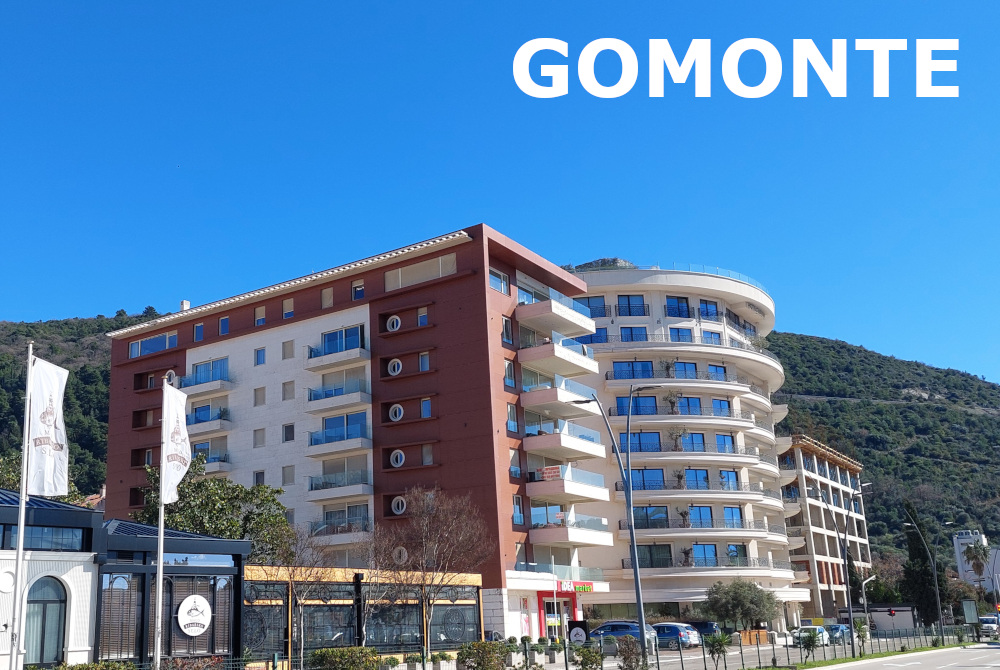
5. Cost of living
Utilities in Montenegro
- Electricity: This is the most significant expense. On average, residents pay between €40 and €120 per month. It's important to remember that Montenegro has no central heating, so winter bills (due to the use of air conditioners and heaters) are significantly higher than in the mild spring.
- Water: Costs between €15 and €30 per month. The final cost depends directly on the number of residents and the region (in some coastal cities, rates may be slightly higher).
- High-speed Internet: Modern fiber-optic networks are available in almost every large community in 2026. Subscription fees range from €25 to €40 for a package with speeds of 200-500 Mbps.
- Waste Removal: A small but mandatory fee, typically ranging from €5 to €12 per month, is charged based on the square footage of the apartment.
- Residential Complex Maintenance: In modern residential complexes with a swimming pool, elevator, security, and gated community, owners pay an additional €0.50 to €2 per square meter per month.
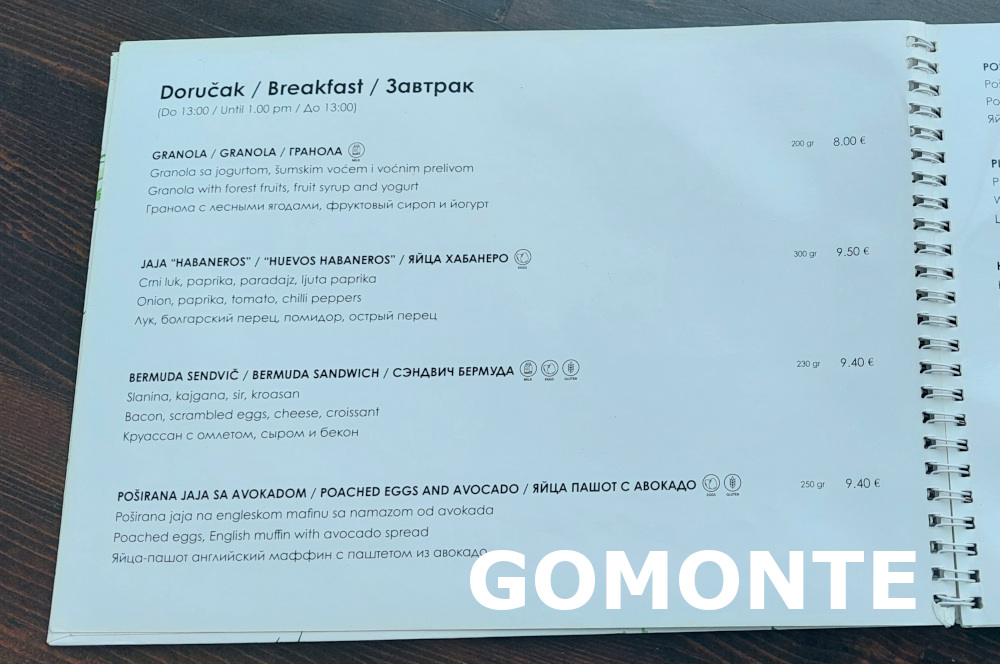
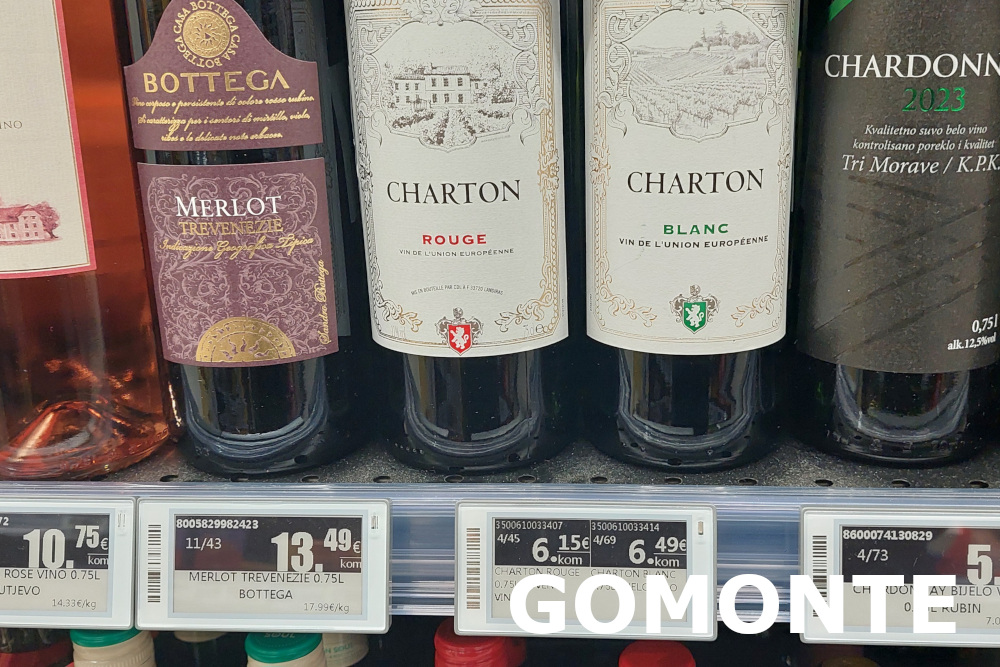
Cost of food and household expenses
- Basic basket: Bread costs €0.80–€1.20, a liter of milk €1.50, and a dozen eggs around €2.50.
- Cheeses and prosciutto: Montenegro is famous for its delicacies. High-quality young cheese costs from €7 per kg, while the famous Njeguši prosciutto costs from €18 to €25 per kg.
- Markets: Freshness and color
- Seafood: Fresh catch (dorada, brancin) costs €15–€20 per kg. Shrimp – from €18.
- Meat: At specialized meat shops (Mesara), you'll not only get fresh beef (€10-€13/kg), but you'll also get it grilled (roštilj) for free.
- Fruit and Vegetables: Prices vary depending on the season. Tomatoes cost €1.50 in the summer, while in the winter they can rise to €3.50.
- The average monthly bill for laundry, cleaning, and personal hygiene products for a family of two is around €50-€70.
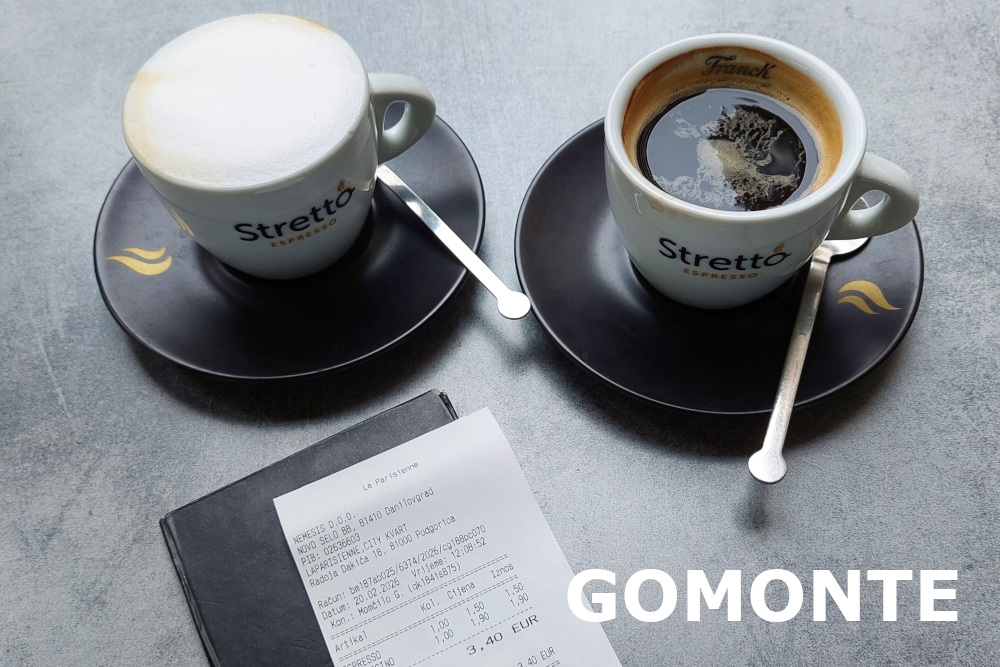
Services and Transportation
- Mobile Communications: Tourist packages and resident plans (M:tel, T-Mobile, One) cost between €15 and €25 per month, including large 5G data packages (up to 500 GB).
- Home Internet: Fiber optic internet with speeds of 200+ Mbps costs €30–35 per month.
- State Insurance: Employed residency holders receive a "health booklet," which entitles them to free care at state clinics (Dom Zdravlja).
- Private Clinics: An initial consultation with a general practitioner costs €30–50. Many expats prefer annual voluntary health insurance packages (approximately €300–500 per year) to avoid waiting lists.
- Car Purchase: The used car market is active, with diesel compacts (Volkswagen, Toyota) popular. The average price of a used car in 2018–2020 was €12,000–16,000.
- Contents: A liter of gasoline or diesel fuel in 2026 will be around €1.50–1.70. Car registration and inspection costs €250–€400 annually.
- Public transportation: Intercity buses are the main mode of transportation for those without a car. A ticket from Budva to Podgorica costs around €7.
Education for expat children
- Kindergartens: Public kindergartens are almost free (meals only cost ~€50), while private kindergartens (including Russian- and English-language schools) cost €250–450 per month.
- Schools: There are both free public schools and prestigious international ones (for example, Knightsbridge in Tivat or Adriatic College in Budva), where tuition starts at €6,000 per year.
- Activities: Sports are very popular – water polo, football, and tennis cost an average of €30–60 per month for a membership.
6. Company Registration in Montenegro with GoMonte
GoMonte specialists offer comprehensive turnkey support:
- Business registration takes 5 to 10 business days.
- Preparing incorporation documents, obtaining a legal address, and applying for a residence permit (boravak) for the director and his/her family.
- Checking all documents for compliance with current legislation as of 2026.
- Accounting services and outsourcing from €100 per month, including avoiding fines.
- Legal support: Assistance in drafting leases, employment contracts, and obtaining licenses.
Conclusion
In conclusion, immigrating to Montenegro in 2026 remains an attractive option for those seeking to live in a European country with a mild climate, a relaxed pace of life, and relatively simple immigration procedures. Thanks to accessible residence permit options, a favorable tax system, and opportunities for business or remote work, Montenegro continues to attract an increasing number of foreign citizens.
Properly preparing documents, choosing a suitable residence permit, and understanding local nuances will make adaptation much easier. Understanding the legislation, real estate market, and everyday nuances will help avoid common mistakes and make the move as comfortable as possible. By planning all stages of immigration in advance, life in Montenegro can be an excellent opportunity for a new beginning, stability, and a high quality of life by the Adriatic Sea.
Tips for future residents:
- Prepare your "sleigh" in the summer: Look for long-term housing between November and March – this way you can lock in a favorable rate for the entire year.
- Learn the language: Knowing basic Serbian/Montenegrin reduces your expenses at local shops by 20% and simplifies communication with government agencies.
- Contact specialists for assistance in obtaining a residence permit, who will help you understand the country's laws and avoid mistakes.
GoMonte has been helping those dreaming of a carefree life by the sea become residents for 10 years. Contact our consultants for more information: +382 67 322 888 WhatsApp/Telegram.