 RU
RU EN
EN ME
ME TR
TRHelpful tips for moving to Montenegro and adapting
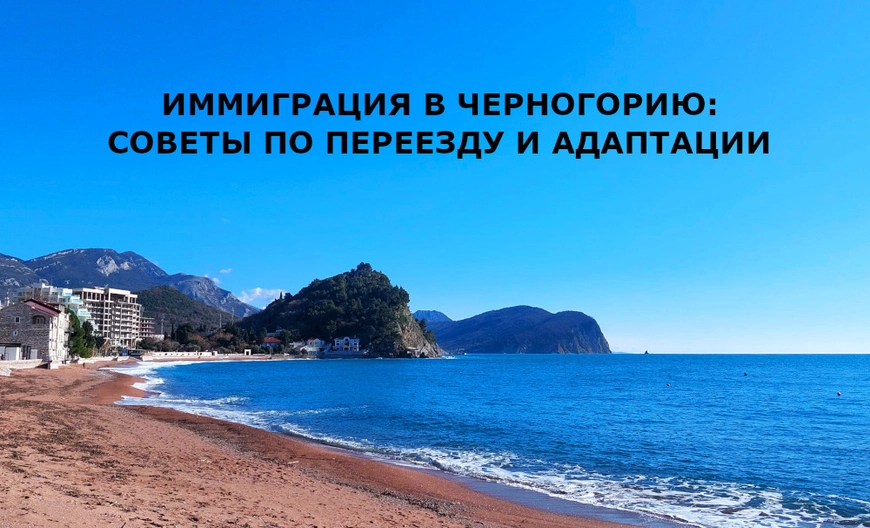
In this article, we'll explore helpful tips for moving to Montenegro that will help you prepare for immigration, avoid common mistakes, and adapt more quickly to your new country. A successful move requires careful preparation. Before moving, it's important to understand local legislation, residence permit requirements, the housing market, and everyday life.
We, the GoMonte team in Montenegro, help you prepare your residence permit documents, submit them quickly, and support you every step of the way. Our team includes a lawyer who can answer all your immigration questions: +382 67 322 888 Viber/WhatsApp/Telegram.
Relocating to Montenegro attracts foreigners with its simple residence permit process and comfortable living conditions. Adaptation here is smoother than in Northern Europe due to cultural similarities, but it has its pitfalls.
1. Step-by-step guide to immigration to Montenegro:
- Financial plan
Start preparing a financial cushion for the move. Don't forget that rent is the main expense in Europe. In Montenegro, this amount is broken down as follows: the first and last month plus a deposit. Also consider the cost of a residence permit, the average cost of living, medical expenses, travel, and other services. We'll cover all of this in detail below.
- Property audit
If you're planning to buy real estate, order a legal audit of the property before making a deposit. If you're planning to rent, research the best cities to relocate to.
On gomonte.me, you'll find a wide selection of properties available for installment plans. Read the blog for relocation tips. You can also find rental prices on the website to help you create a financial plan.
- Relocation and submitting documents for a Residence Permit
Upon submitting an application to the Ministry of Internal Affairs, a residence permit is issued within 30 days. Your family is also eligible for a residence permit based on family reunification, but this is for a period of one year and can be extended.
Our specialists can assist you in gathering all the necessary documents: +382 67 322 888 Viber/WhatsApp/Telegram.
2. Advantages of a Montenegro residence permit
- Legal residence in the country for up to one year with the possibility of renewal
- Opportunity to open and run your own business
- Access to banking services and the European financial system
- Optimal tax burden
- Potential for permanent residence and subsequent naturalization
- Comfortable climate and affordable cost of living
3. Required documents for a residence permit
- International passport
- Tourist tax
- Medical insurance
- Certificate of no criminal record
- Confirmation of grounds for obtaining a residence permit (employment contract, company registration, training, etc.)
- Bank statement confirming receipt of funds under the employment contract
- Notarized 12-month residential lease agreement
- Payment of fees
A properly prepared set of documents can speed up the application process and reduce the risk of denial.
Get a consultation from our specialists: +382 67 322 888 Viber/WhatsApp/Telegram.
Real estate rental and purchase: gomonte.me
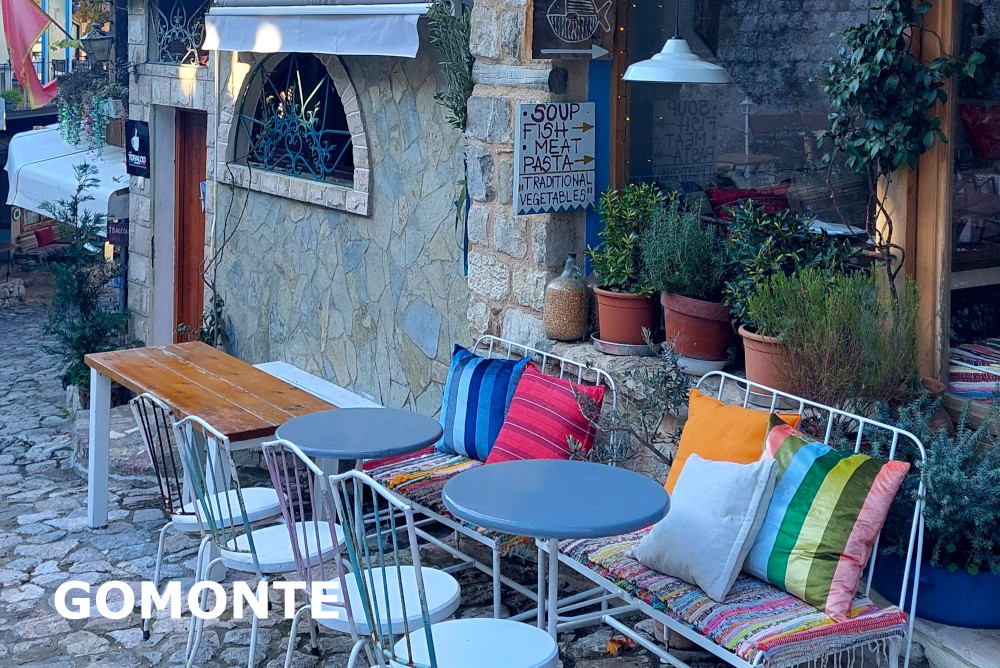
4. Top Cities for Moving to Montenegro if You're Single
Moving alone is a strategy for maximum mobility. When you're not tied to kindergartens or quiet residential areas, two factors come to the fore: intense networking and the availability of infrastructure within walking distance.
In 2026, Montenegro became even more attractive for solo travelers thanks to the development of coworking spaces and the simplification of legalization for "digital nomads." We've prepared a list of the cities where it's easiest to adapt, find your "friends," and avoid feeling isolated.
4.1. Budva
Budva remains the undisputed leader for those seeking excitement and new connections. If you're moving alone, you'll find the highest concentration of expats per square meter here.
- Advantages for solo travelers: A huge number of bars, restaurants, and event venues open year-round. It's easy to find like-minded people in IT or business here.
- Infrastructure: Top gyms, chain supermarkets, and private medical clinics.
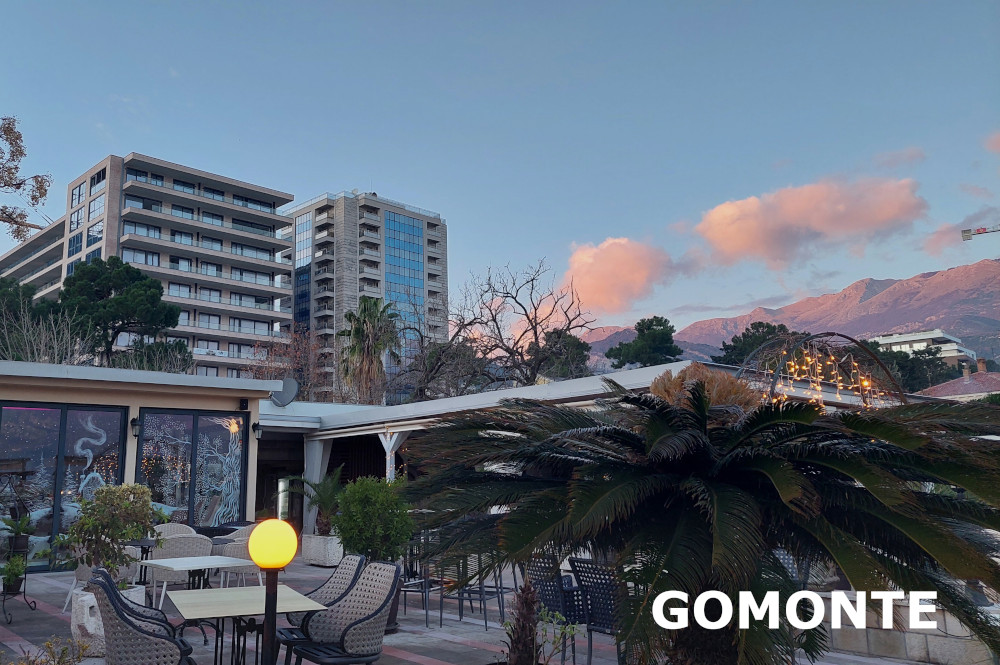
4.2. Tivat
If your lifestyle involves morning jogs along the waterfront and working with a view of superyachts, Tivat is the perfect choice. Thanks to the Porto Montenegro project, the city has transformed into the country's most modern and cosmopolitan hub.
- Why it's best for singles: Safety, aesthetics, and compactness. Everything is within easy reach, and the local community is more intimate and prestigious.
- Lifestyle: Regular sailing regattas, private parties, and the best Western-style coffee shops.
4.3. Kotor
Moving to Kotor or Dobrota is a choice for those who value atmosphere and inspiration. Kotor's Old Town is a place where history meets contemporary culture.
- Features: Ideal for creative individuals and freelancers. Living in Dobrota allows you to combine the privacy of the water with walking distance to the activities of the Old Town.
- Community: A very interesting group of people is forming here, from artists to sea captains.
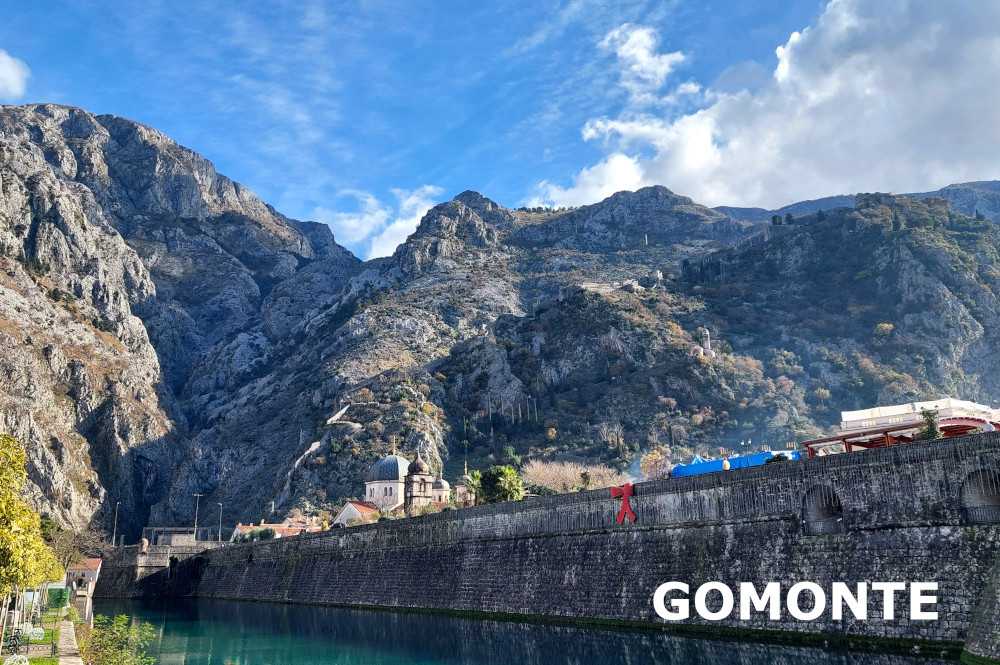
4.4. Podgorica
The capital is not about the sea, but about the rhythm. If you're moving to Montenegro for a corporate job or plan to fly frequently, Podgorica offers the best conditions.
- Business infrastructure: Lowest rent prices for high-end housing compared to the coast, access to government agencies, and the best selection of shopping malls.
- Logistics: Proximity to the main airport and an hour's drive to both beaches and ski resorts.
Solo relocation summary: If you want parties and action, choose Budva. If you value comfort and yachting chic, Tivat is your place, and if a working environment and savings are important to you, book accommodation in Podgorica.
View our rental catalog on our website: gomonte.me
5. Top Cities for Family Relocation: Where to Raise Children in Montenegro
Moving to Montenegro with children requires a different approach to choosing a location. Proximity to nightclubs is not the primary consideration, but the availability of high-quality schools, kindergartens, sports activities, and smooth paths for strollers.
According to a survey of couples who have already moved and settled in, three cities stand out as having a well-developed infrastructure. Therefore, these locations are best suited for moving to Montenegro with children: Bar for maximum convenience with strollers, Tivat for a prestigious English-language education, and Herceg Novi for a quiet life surrounded by nature. We'll examine the advantages of each in more detail below.
5.1. Bar
Many expats consider Bar an ideal place to live with children. Unlike hilly Budva, the city's flat terrain makes it a favorite for strolling.
- Infrastructure: There are public and private Russian-language schools here, as well as the Topolica Sports Center with sections ranging from tennis to athletics.
- Advantages: A wide waterfront promenade, pine-lined parks, and a lack of tourist chaos even during peak season. Long-term rental prices for family apartments here are often lower than in Tivat.
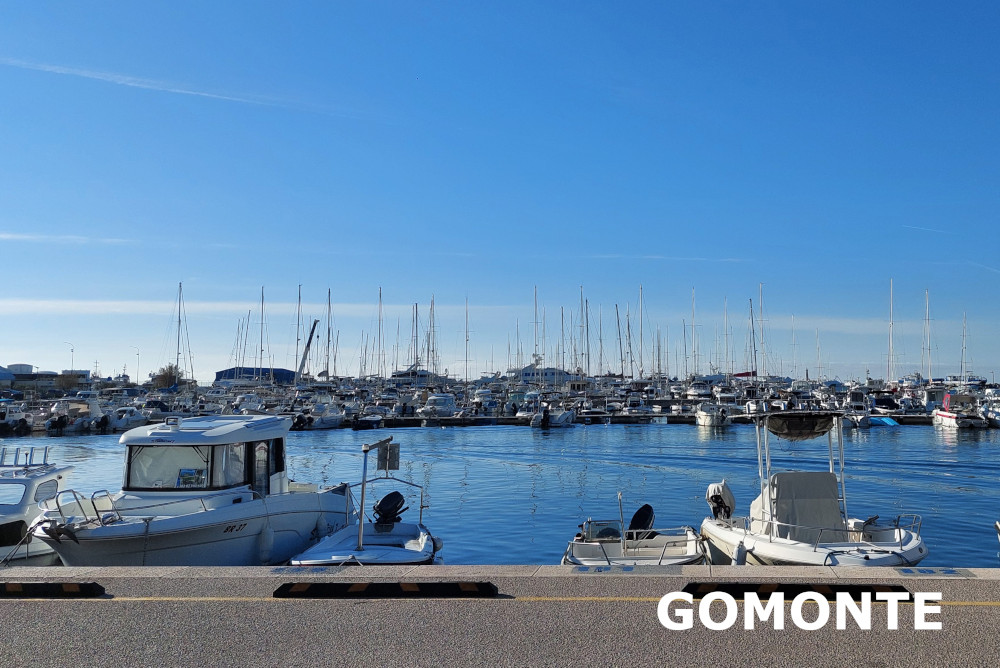
5.2. Tivat and Kavač
Tivat is the choice of parents who value a high-quality English-language education. Thanks to its proximity to Porto Montenegro, the city offers European-level services.
- Education: The country's best international schools, Knightsbridge Schools International (KSI) and Arcadia Academy, are located here.
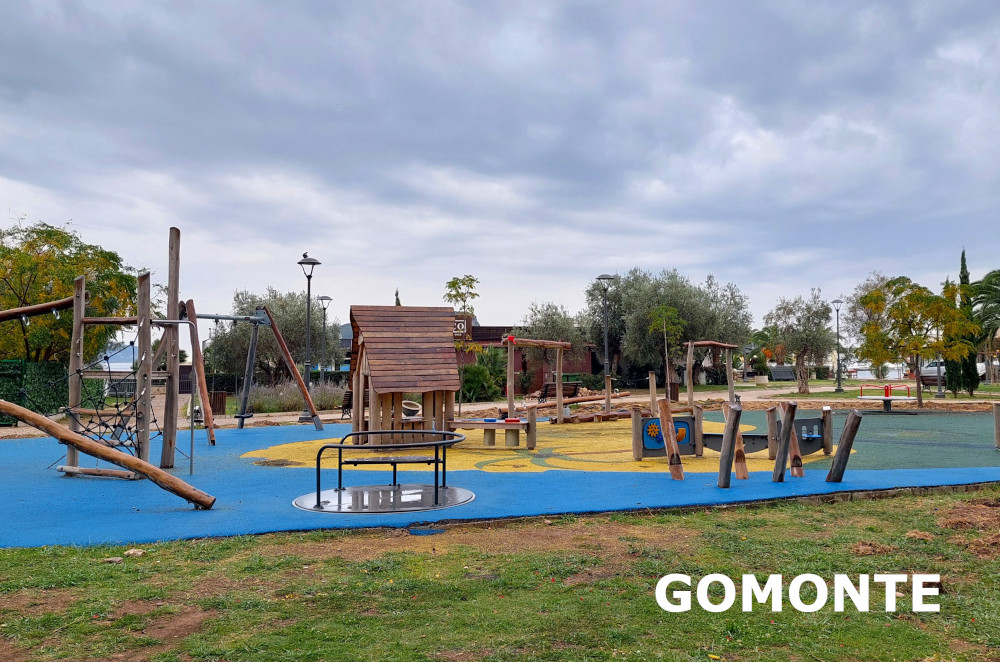
- Sports and Leisure: A huge city park, sailing schools, and numerous playgrounds with modern surfaces.
- Kavač: This quiet suburb, a 10-minute drive away, is where families often rent or buy private homes with swimming pools, while maintaining access to all of Tivat's amenities.
5.3. Herceg Novi
Herceg Novi is often called Montenegro's "botanical garden." If you want your children to grow up surrounded by greenery and clean air, this is your choice.
- Highlights: The city is known for its wellness centers (such as the Igalo Institute). It has a very tranquil, almost village-like atmosphere, yet still offers everything necessary for daily life.
- Note: The city is vertical—lots of steps. This can be challenging for families with very young children (strollers), but ideal for school-age children who quickly adapt to physical activity.
5.4. Infrastructure for Children in Montenegro: A Brief Checklist
When choosing a city, be sure to consider:
- Kindergartens (Vrtići): There are public (around €40-50 per month) and private (€250-450). Bar and Budva offer the widest selection of private kindergartens with Russian-speaking teachers.
- Activities: The most popular are football, water polo (the national sport), tennis, and dance.
- Healthcare: Every major city has a "Dom Zdravlja" (polyclinic) with a pediatric department, which accepts children with insurance.
Browse our rental catalog on our website: gomonte.me
6. Benefits of moving to Montenegro: Why choose the Adriatic?
Montenegro remains one of the most attractive migration destinations for citizens of Russia and the CIS. It is a country where European-level security is combined with a mild tax climate and incredible natural beauty. Let's look at the main advantages that make relocating to Montenegro a strategic decision: Safety, ecology, developed infrastructure, and low taxes.
6.1. Safety and Social Comfort
The country consistently ranks among the safest countries in Europe. For families with children, this is a decisive factor—you don't have to worry about your child returning from school in the evening. The friendliness of Montenegrins towards expats allows for quick integration into the local community.
6.2. Environment and Quality of Life
- Pure Air: The absence of large industrial enterprises and the abundance of pine forests make the air healthy. Adriatic Sea: The country's beaches regularly receive Blue Flags for the cleanliness of their waters.
- Natural Products: Montenegro has a well-developed farming industry, providing access to fresh vegetables, fruits, and pesticide-free seafood year-round.
6.3. Developed Infrastructure for Living and Business
Coastal towns such as Budva, Tivat, and Bar offer all the necessary amenities for a comfortable stay:
- Modern marinas (such as the world-class Porto Montenegro);
- International schools (including Russian- and English-language schools);
- Reliable high-speed internet, which is crucial for IT specialists and freelancers.
6.4. Opportunities to Travel within Europe
Russian citizens who have obtained a temporary residence permit (boravak) open up new travel horizons:
- Simplified Visa Processing: If you have a boravak, it is significantly easier to obtain Schengen visas through the consulates located in Podgorica.
- Visa-free destinations: Neighboring Serbia, Bosnia and Herzegovina, and Albania are accessible without unnecessary formalities.
- Convenient logistics: Two international airports (Tivat and Podgorica) provide regular connections to key European capitals.
6.5. Low taxes – a paradise for entrepreneurs
The country offers one of the most lenient tax systems in Europe, making it an ideal hub for cost optimization:
- Income tax: Only 9-15% (one of the lowest in the region).
- Corporate tax: Also held between 9-15%.
- VAT: The standard rate is 21%, with preferential rates (7% and 0%) available for certain tourism and socially significant services.
7. Cost of Living in Montenegro: A Detailed Budget Analysis for 2026
Budget planning is a critical step in relocating. This small Balkan state is traditionally considered more affordable than Croatia or Italy, but prices can vary significantly depending on the region (the coast is always more expensive than the north) and season. The average cost of living in Montenegro for a single person is approximately €800–€1,100 per month, including rent and basic expenses. A family of three will need a comfortable budget of €2,200–€2,800 per month.
7.1. Rent and Utilities
- Long-term rentals (annual): A studio or one-bedroom apartment in Budva or Tivat will cost €500–€800 per month. In Podgorica or Bar, similar options cost €400–€600.
- Utilities: On average, €80–€150 per month (electricity, water, garbage collection). Keep in mind that electricity costs increase in winter due to the use of air conditioners and space heaters.
7.2. Food: Supermarkets and Restaurants
Grocery Basket: For a family of two, a comfortable grocery budget is €400–€550 per month. Café Prices: Lunch at an inexpensive restaurant is €10–€15 per person. Coffee is €1.50–€2.50, and a glass of local wine is €3–€5.
7.3. Transportation and Car Rental
- Car rental: Low season: from €15/day; peak season (July-August): from €40–€50/day.
- Buying a car: A used car in good condition costs €7,000–€12,000. Ownership tax depends on the engine size and year of manufacture.
- Public Transportation: Intercity buses run regularly; tickets between coastal towns cost €3–€7.
7.4. Medicine and Education
- Healthcare: A private clinic appointment costs €30–€50, an ultrasound costs €40–€60.
- Schools and Kindergartens: Public schools are free. Private Russian-language or international schools (Cambridge, etc.) cost between €500 and €1,200 per month. A private kindergarten costs around €250–€400.
7.5. Residence Permit (Boravak) Processing Costs
- Residence permit for one person: €1,500
- For other family members through family reunification: €300 per person
For more information on the documents required for other family members, please visit our website in the legalization section: gomonte.me/services
Final Bill: For a comfortable life in Montenegro, a family of two (rent + food + incidentals) is recommended to expect a monthly budget of €1,500–€2,000. A single freelancer can live on €1,000–€1,200 if they choose to live in Bar or Podgorica.
8. Adaptation Tips: How to Fit in in Montenegro
8.1. Embrace the "Polako" Philosophy
The most important word you'll need to learn is "Polako" (slowly, calmly). In Montenegro, rushing is not customary. This applies to everything from service in restaurants to paperwork in the community.
Tip: Don't try to impose a "Moscow" or "Berlin" work pace. Being overly impatient will only create tension in your interactions with the locals. Learn to wait with a smile—this is the key to successful integration.
8.2. Language Barrier and the Importance of Communication
Montenegrin (a variation of Serbian) is intuitively understood by Slavs, but basic English is not enough to fully understand life, especially outside the touristy Budva and Tivat.
- Learn the basics: Knowing simple phrases (like "Dobar dan," "Hvala," "Može li," etc.) instantly changes how you're treated at the bakery or supermarket.
- Go with the crowd: Montenegrins are very social. Don't refuse an offer to have coffee (kafenisanje) with a neighbor—that's how many everyday matters are resolved and useful connections are made.
8.3. Everyday Life and "Zajednica" (Community)
Horizontal connections play a huge role here. Your hairdresser might know the best accountant, and your landlord might be able to help you get a doctor's appointment without waiting in line.
Local Groups: Join expat chats, but don't isolate yourself in a "bubble" of compatriots. Visit local markets (pijaca) and say hello to the vendors—being a "regular customer" will ensure you get the best products and discounts.
8.4. Legal Discipline
Despite the country's generally relaxed nature, immigration regulations require clarity.
- Keep an eye on deadlines: Fines for late registration (white card) or late renewal of a residence permit can lead to deportation. Get into the habit of reviewing all documents one month before the expiration date.
- Taxes and Bills: If you've opened a business, find a reliable accountant. Montenegro's tax system is transparent but bureaucratic.
8.5. Climate Adaptation: Winter on the Coast
Many newcomers are unprepared for the Montenegrin winter. It can be 15°C outside, but due to the high humidity and lack of central heating, apartments become cold and damp.
Housing life hack: When choosing an apartment, be sure to check whether there is air conditioning in every room, underfloor heating, or Norwegian radiators. Buy a dehumidifier—it will protect your belongings and walls from mold.
8.6. Psychological Attitude
Adapting to a new country is a journey from "why is everything taking so long?" to "how wonderful it is that no one is rushing anywhere." Give yourself at least six months to get used to the pace of life. Remember, this is a country for enjoying life, not for the endless pursuit of productivity.
9. Frequently Asked Questions about Moving to Montenegro (FAQ)
- Do I need to open a bank account to obtain a residence permit?
Yes, having a local bank account and a certain amount of funds (usually from €3,650 per person, based on €10 per day for a year) is a mandatory requirement for obtaining a "boravka."
Note: Banks have recently become more stringent in checking the origin of funds, so be prepared to provide statements from foreign banks or employment contracts.
- Can I bring pets to Montenegro?
Yes, but to import a dog or cat, you will need:
- International veterinary passport.
- Microchip and rabies vaccination (done at least 30 days before crossing the border).
- Rabies antibody titers (required for returning to the EU, but often checked upon entry as well).
- Certificate Form No. 1, exchanged for an international certificate.
- What is the minimum living expenses for a family of two?
A comfortable minimum, excluding rent, starts at €1,000-€1,200 for two people. Rent in popular cities (Budva, Bar, Tivat) should be around €1,800-€2,000. Grocery costs are comparable to Eastern European ones, but communications and electricity (especially in winter) can be more expensive.
- Is it difficult to enroll a child in school or kindergarten?
Expatriate children are accepted into public schools with a residence permit (or while they are in the process of obtaining one). Education is free, but it is taught in Montenegrin.
Tip: For a quicker adaptation, it's best to enroll children in elementary grades—they learn the language in 3-4 months. There are also private Russian- and English-language schools in the country (in Kotor and Budva).
- Is knowledge of the language required for work?
If you work remotely or open a business targeting tourists, English is sufficient. However, for working for local companies or effectively managing a business, knowledge of Montenegrin (Serbian) is essential. Locals greatly appreciate it when a foreigner makes the effort to speak their language; it opens many doors.
- Is there "free" healthcare for foreigners in Montenegro?
State insurance is provided to those officially employed (including business owners). It covers visits to doctors at "Houses of Health" and surgeries. However, many expats prefer to additionally take out private insurance policies for quick access to specialized doctors without waiting in line.
10. Brief summary: what do you need to know before buying a ticket?
Financial cushion: Even if you have a job, bring at least 4-6 months' worth of savings. A car is not a luxury: Without a personal vehicle, exploring the beauty of the north (Žabljak, Kolašin) or quickly completing business in different cities will be difficult. Networking: The Russian-speaking community is very close-knit. Telegram chats are your go-to resource for any questions, from finding a repairman to tax advice.
Remember that relocation is always an individual experience. If you're ready to start a new life by the sea in 2026 and want to obtain a two-year residence permit, contact our specialists: +382 67 322 888 Viber/WhatsApp/Telegram.
After receiving your digital nomad visa in Montenegro, you can make further plans and apply for a Spanish residence permit—it's much easier than you think. We discussed this in our article: gomonte.me/blog/post/55
Follow our legalization Instagram account to learn all about life by the sea, and find more adaptation tips: golegals.me