 RU
RU EN
EN ME
ME TR
TRHow to Move from the US to Europe: Three Steps to a Life by the Sea in Montenegro
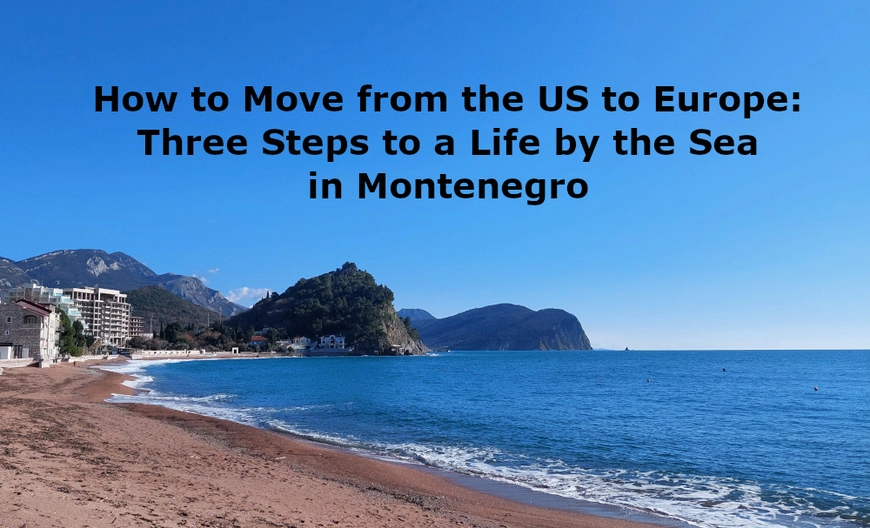
Relocating from the US to Europe is becoming an increasingly popular choice for those seeking a more relaxed lifestyle, affordable real estate, and a mild seaside climate. Montenegro, a small European country, is particularly attractive in this regard: its picturesque Adriatic coastline, relatively low costs, and straightforward immigration requirements make it one of the best relocation destinations. If you're considering exchanging the hustle and bustle of America for the comfort of a European resort, it's important to understand the key steps.
In this article, we'll cover three key steps to help you organize your move from the US to Montenegro as comfortably and stress-free as possible. You'll learn how to choose the right accommodation, complete the necessary paperwork, and adapt to life by the sea. This practical guide will serve as a starting point for those dreaming of starting a new life in Europe and enjoying every day surrounded by nature and a warm climate.
At GoMonte in Montenegro, we help US citizens purchase real estate, register a business, and obtain a residence permit, supporting you every step of the way. Contact our consultant: +382 67 322 888 (Viber, WhatsApp, Telegram), email: gomonte3000@gmail.com.
Read more about Montenegrin residence permits for American citizens or browse our apartment rental and purchase catalog on our website: gomonte.me
1. Why Choose Europe for Moving from the US
Many people choose to move from the US to Europe due to the following advantages: ease of immigration, affordable housing prices, and safety. Europe remains one of the most attractive destinations for moving from the US due to its high quality of life, cultural diversity, and access to a maritime climate. Many countries, such as Montenegro, Turkey, Spain, and Portugal, offer comfortable coastal living conditions: mild winters, warm summers, and well-developed infrastructure. Life by the sea offers not only beautiful views but also a more relaxed pace, appreciated by those tired of the hustle and bustle of large American cities.
Another important factor is the more affordable cost of living and real estate compared to the US, especially in Southern and Eastern Europe. Moreover, the immigration process in a number of European countries is often simpler than it seems: there are programs for obtaining residency through purchasing real estate, starting a business, or working remotely. All this makes moving to Europe a viable and profitable alternative for Americans seeking a balance between comfort, expenses, and quality of life.
2. Who is suitable for immigrating to Europe?
- Remote workers
- Retirees
- Those dreaming of a quieter life
- Families
- Entrepreneurs who want to start a business and save on taxes
3. Three Steps to Moving to Europe
Step 1: Defining the Purpose of Your Move and Choosing a Residence Permit
- Residence Permit through Real Estate Purchase
- Residence Permit for Work or Business
- Long-Term Residential Rental
GoMonte offers assistance with moving to Montenegro and obtaining a residence permit through purchasing a home, starting a business, or obtaining a digital nomad visa if you have a remote job with an income of at least €1,800. Get a consultation: +382 67 322 888 (Viber, WhatsApp, Telegram), email: gomonte3000@gmail.com.
Step 2: Preparing Documents and Registering Your Move
- Required Documents for US Citizens
- Residence Permit Procedure
- Taxes, Bank Accounts, and Legal Details
Step 2 is one of the key stages of moving from the US to Europe, which includes preparing documents and officially registering your residence status. US citizens will need to gather a basic package: a passport, proof of income, a rental or home purchase agreement, health insurance, and a criminal record certificate. Depending on the chosen country and the reason for moving, the list may vary slightly, but overall, the process is clear and structured.
The process for obtaining a residence permit typically includes filing an application, registering at the place of residence, and interacting with local authorities. It's important to understand tax obligations, open a bank account, and consider legal nuances in advance to avoid complications after moving. Properly preparing documents significantly simplifies immigration and helps you adapt to life in Europe more quickly.
Step 3: Moving and Adapting to Life
- Finding Housing
- Medical Care and Insurance
- Language, Culture, and Integration
Step 3 is the actual move and adaptation to life in the new country, where it's important to quickly establish a routine and feel comfortable. First, it's important to focus on finding housing: a temporary rental will help you better explore the area and then choose the best option for long-term residence. The European real estate market offers a wide range of options, from seaside apartments to cozy houses in quiet towns.
It's equally important to understand the healthcare system and obtain insurance that will ensure access to quality care. For successful adaptation, it's also important to focus on learning the language and understanding the local culture and traditions. This will speed up integration, help build social connections, and make life abroad more comfortable and fulfilling.
4. How much does it cost to move from the US to Europe?
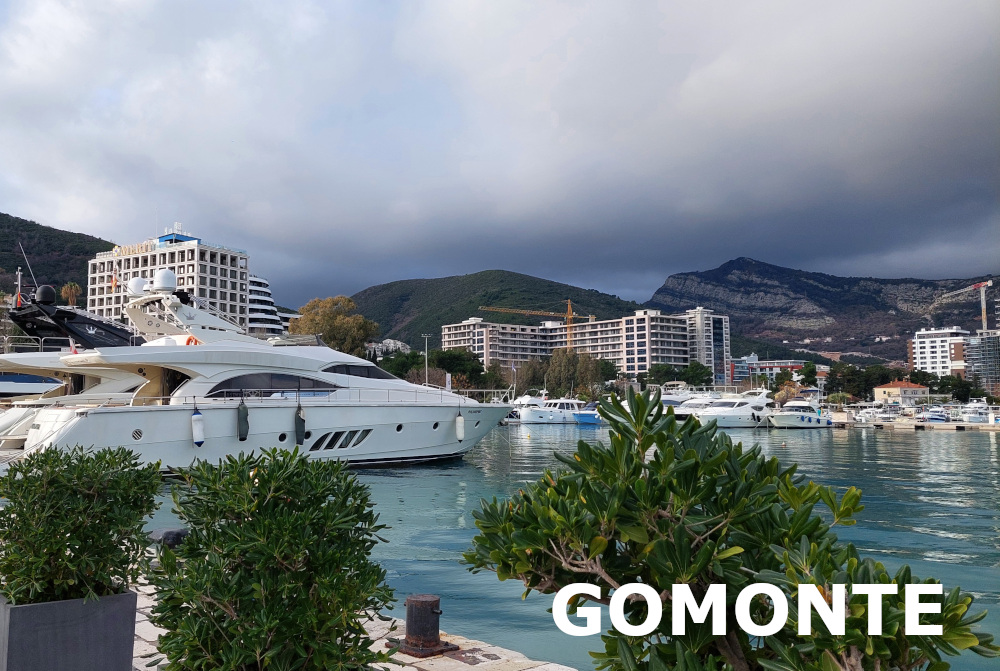
The average cost of moving from the US to Europe can range from $6,000 to $10,000, reaching $20,000 to $50,000 in the first year, including residency, housing, and expenses. The cost, of course, depends on many factors: the chosen country, the type of move, and the standard of living. Key expenses include airfare, transporting personal belongings, paperwork, and initial rent. It's important to budget in advance not only for the move itself but also for the first few months of your life while you adjust and establish a stable income.
Additionally, consider the cost of health insurance, opening a bank account, and possible legal fees. However, the cost of living in many European countries can be lower than in the US, especially in smaller cities or coastal regions. Thoughtful financial planning will help make your move to Europe more predictable and avoid unnecessary stress.
Read the cost of living in Montenegro in 2026 on our website: gomonte.me/blog/post/23. This article covers current prices for rent, groceries, gasoline, and services in the country.
Look at the cost of opening a business and obtaining a residence permit in Montenegro here: gomonte.me/services/residence-permit


5. Why Montenegro is a European choice for living
Montenegro is increasingly becoming a choice for relocation from the US due to its combination of a mild climate, picturesque coastline, and affordable cost of living. It's also becoming more popular because the majority of the population speaks English, as the country is primarily developing tourism. The country offers a comfortable lifestyle, proximity to the sea, and relatively simple conditions for obtaining a residence permit, making it attractive for those seeking an alternative to more expensive European destinations. An additional advantage is the country's compact size, allowing quick access to both the sea and the mountains, as well as its favorable environmental conditions.
However, when moving, it's important to consider not only the pros but also the potential cons of living in a new country. Advantages of Montenegro for US citizens include low costs, safety, and a friendly atmosphere, while disadvantages include a limited labor market, language barriers, and the peculiarities of local bureaucracy. Despite this, for many Americans, Montenegro is an ideal place to live by the sea, especially if they work remotely or have a stable income outside the country.
6. How to buy real estate in Montenegro
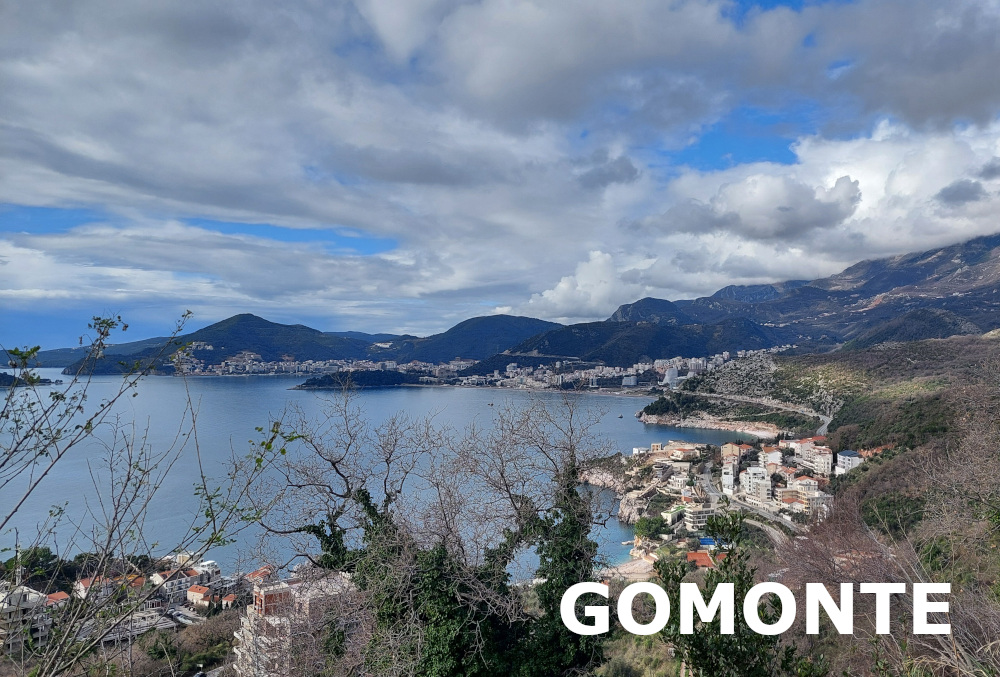
Buying real estate in Montenegro for US citizens is one of the most accessible and straightforward ways to establish a foothold in Europe, create a comfortable life by the sea, and obtain a residence permit based on real estate. Foreigners can freely purchase residential real estate, including apartments and houses, and the transaction process itself is quite transparent. First, it's important to select a property, verify its legal status, and sign a preliminary contract. Then, the main contract is drawn up with a notary and the title is registered.
Particular attention should be paid to financial and legal matters: opening a bank account, transferring funds, and paying taxes on the purchase. Many also use real estate acquisition as a basis for obtaining a temporary residence permit, making this option especially popular among Americans. A competent approach to choosing a property and expert transaction support will help avoid risks and make investing in real estate in Montenegro reliable and profitable.
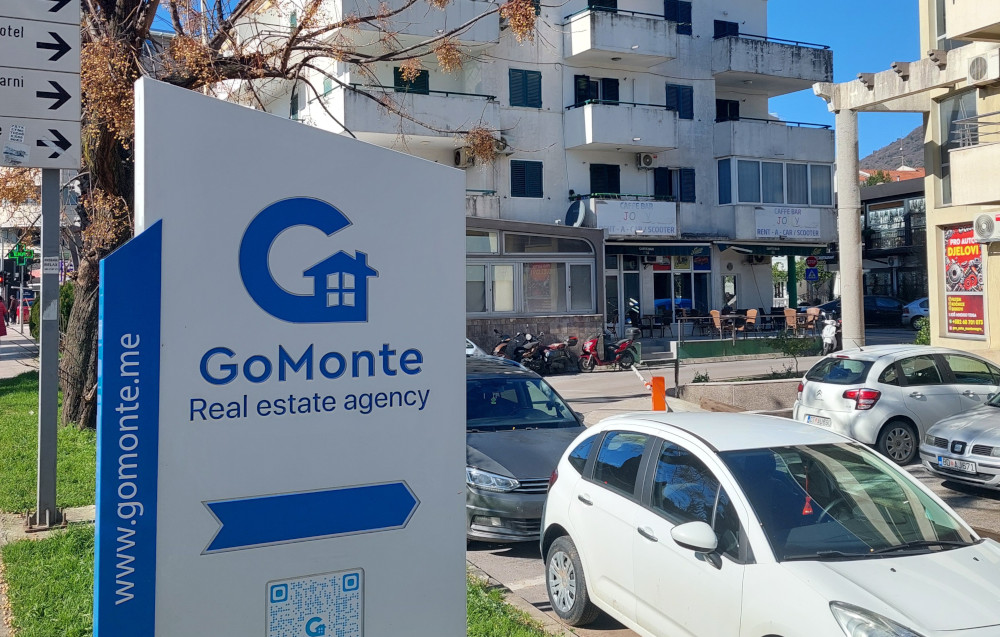
Our GoMonte real estate agency, specializing in coastal apartments, will help you find properties for your residence permit and relocation. Our company has a lawyer who will verify the legal integrity of the transaction and support you every step of the way.
View our catalog of apartments and houses on the Montenegrin coast on our website: gomonte.me
Important: The cadastral value of the property required for a Montenegrin residence permit must be at least €150,000.
7. Taxes in Europe and Montenegro
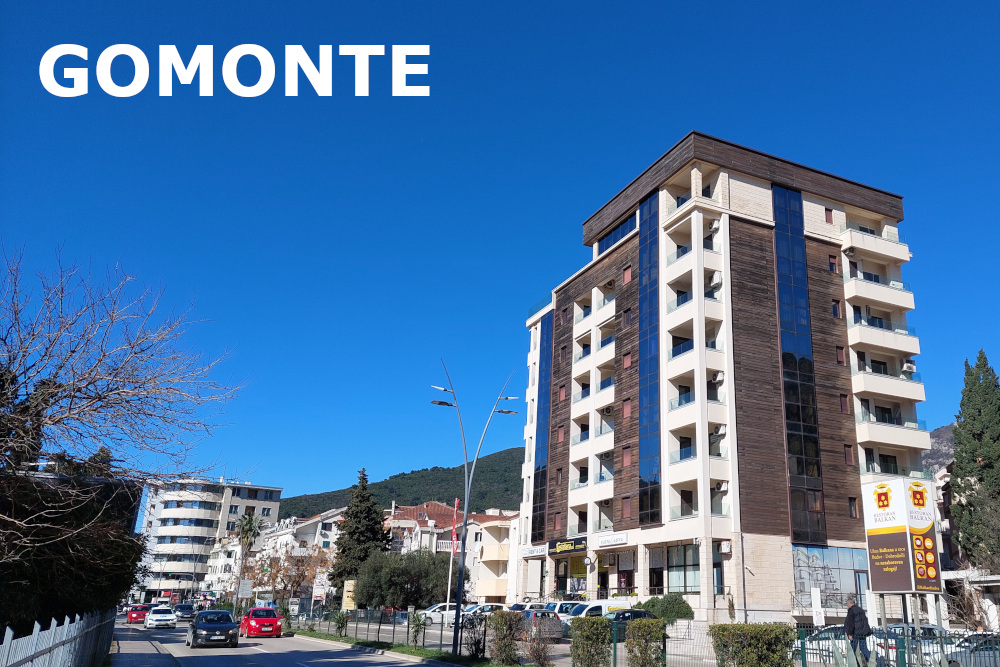
When choosing a country to live and do business in 2024, taxes will be a determining factor. Most EU countries (such as Germany, France, or Austria) have progressive tax rates, with personal income tax rates reaching 45-50%, and corporate tax rates often exceeding 25-30%. Against this backdrop, Montenegro stands out for having one of the most liberal tax systems in Europe: it has a flat or slightly progressive tax rate of 9-15% for both corporate and personal income.
Main differences in tax policy:
- Corporate tax: The EU average is 21.3%, while in Montenegro, businesses pay 9% (for profits up to €100,000).
- VAT: The standard rate in Montenegro is 21%, but the tourism sector and a number of basic services enjoy a reduced rate of 7%, which is below the European average.
- Property tax: Montenegro offers flexible rates from 0.25% to 1%, making property ownership on the Adriatic significantly cheaper than in Italy or Croatia.
A significant advantage of Montenegro is its double taxation treaties with more than 40 countries. This allows international entrepreneurs and freelancers to legally optimize their expenses while maintaining access to the European market. Therefore, Montenegro remains the most attractive region for those seeking a balance between a European quality of life and a minimal tax burden.
8. Why you should turn to GoMonte for help relocating to Europe
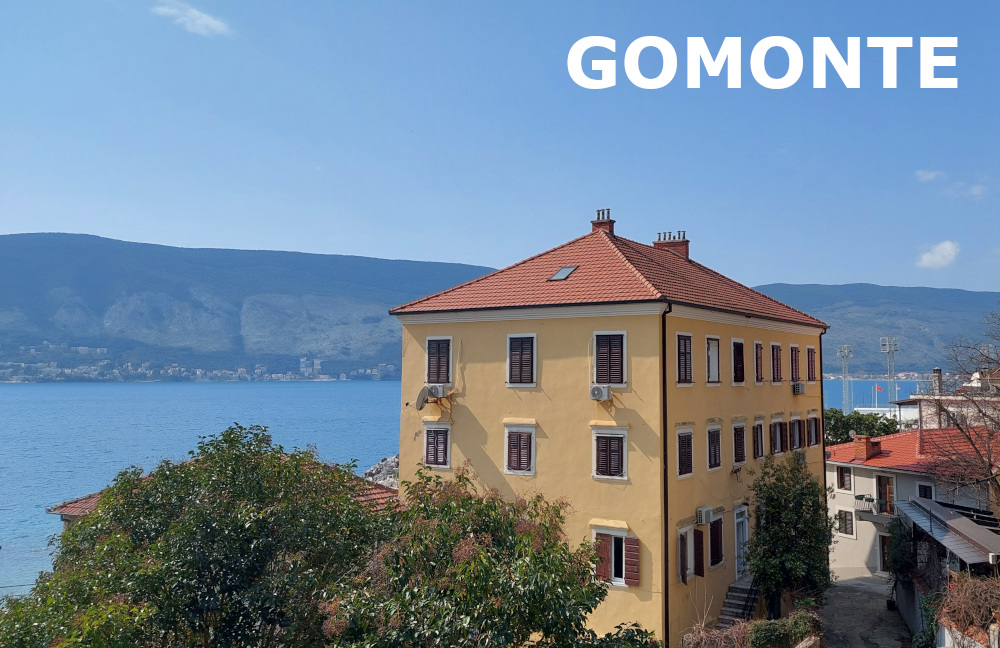
Relocating from the US to Europe is a complex process that requires attention to detail, knowledge of local legislation, and an understanding of all stages of immigration. This is why more and more people are choosing GoMonte as their reliable partner for relocation to Montenegro.
GoMonte provides assistance with immigration to Europe:
- Selecting an immigration program for obtaining a residence permit with a lawyer
- Real estate selection and sales transaction execution, legal support
- Document preparation and assistance with applying for a residence permit
- Company registration, including remote registration
- Opening bank accounts
By contacting GoMonte, you receive professional support at every stage—from the initial consultation to complete settling in. Our experts help you find the optimal solution based on your goals, budget, and lifestyle, which is especially important when moving to Montenegro and other European countries. This makes the process as comfortable, transparent, and safe as possible, allowing you to focus on what matters most—starting a new life by the sea.
Contact us for a consultation: +382 67 322 888 (Viber, WhatsApp, Telegram), email: gomonte3000@gmail.com.
Real estate catalog: gomonte.me